


Never shot film before? It starts with one camera and one roll.
Forget the complicated stuff. The film, developing, the darkroom — those come later, if you want them. The first step is just this: a film camera, a cheap roll, and you go out and shoot. We'll show you exactly what to buy so you can't go wrong.
Worries you don't need to have
Three myths hold most beginners back. None of them are true — let's clear them up quickly.
A used film camera and a few rolls of cheap film — that's your starting cost. An entry-level black & white roll costs about the same as a coffee. You don't need a fortune.
That's exactly why we recommend cheap, forgiving films for beginners — even if you ruin a few frames, it's a couple of euros, not a fortune. Your first roll is about learning, not perfection.
No. Developing is a completely separate, later step — and we can even do it for you. At the start, you just shoot. You don't need to think about developing the film at all.
One step at a time
You don't have to buy and learn everything at once. Here's what the realistic path looks like — and right now, only the first step is your concern.
Shoot
One film camera, one cheap roll of film. You go out, you shoot, you fall in love. That's your only job right now — nothing else.
Develop it
Once the roll is full, you have two options: drop it off at a local lab, or develop it yourself at home with our beginner kit — surprisingly easy.
Go deeper
Once you're hooked, you can move on to your own darkroom, paper prints, or our video course that walks you through it step by step.
Start with these films — cheap and forgiving
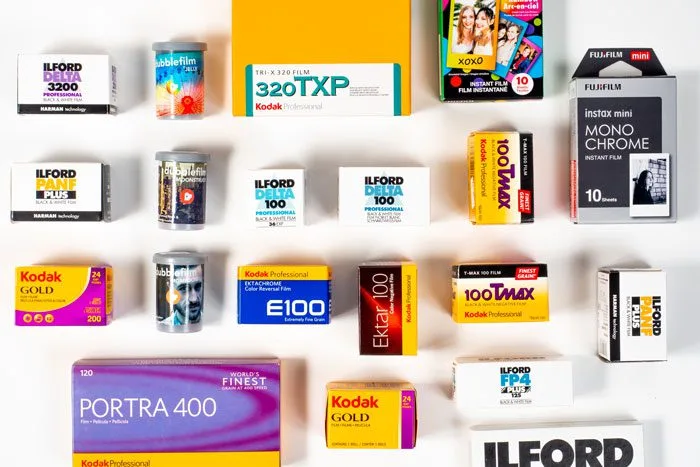
We've deliberately gathered the most affordable, beginner-friendly rolls here. Expensive, professional films come later — as a beginner, it's a luxury to worry about a ruined €15 roll. Here, you don't have to.
-
 Fomapan 100
The cheapest entry point. Forgiving, classic grain, ideal for daylight. If this is your first time shooting film, start here.
… / rollView → -
Fomapan 200
The middle ground between 100 and 400: flexible sensitivity, fine grain, affordable price. A versatile starter film.
… / rollView → -
Fomapan 400
If you often shoot in overcast weather or indoors, ISO 400 is more flexible. Still cheap, and forgiving of beginner mistakes.
… / rollView → -
Agfa APX 100
Fine grain, affordable price. A good choice if you want to step up from Fomapan but don't want to pay professional prices yet.
… / rollView → -
Agfa APX 400
Flexible — performs well in overcast weather and indoors. A reliable starter film at a friendly price.
… / rollView → -
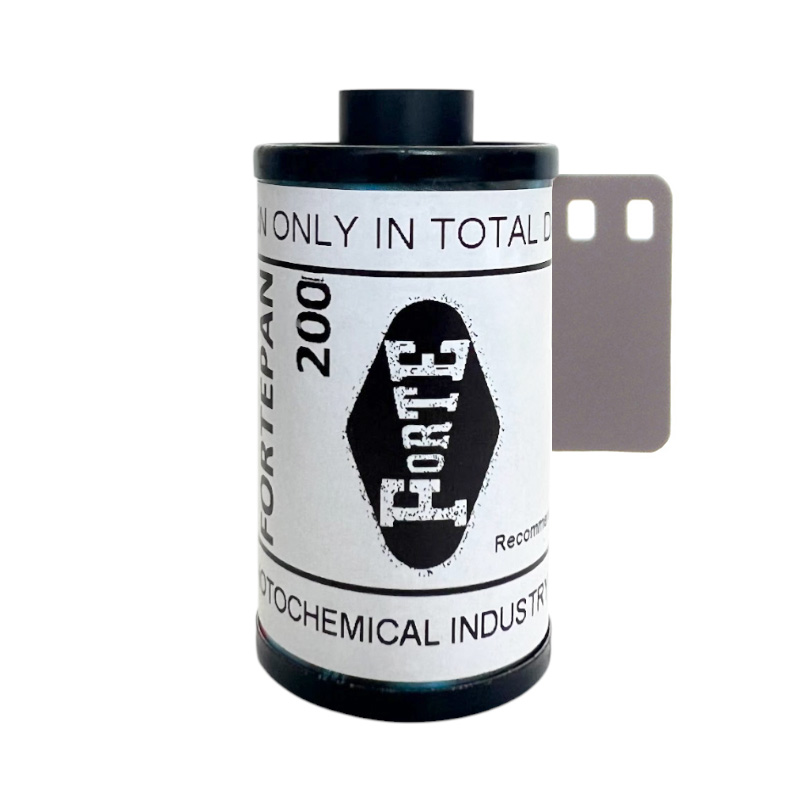
Fortepan 200
The classic Hungarian brand is back. Distinctive, nostalgic tones, and one of the cheapest entry-level rolls on the market.
… / rollView → -
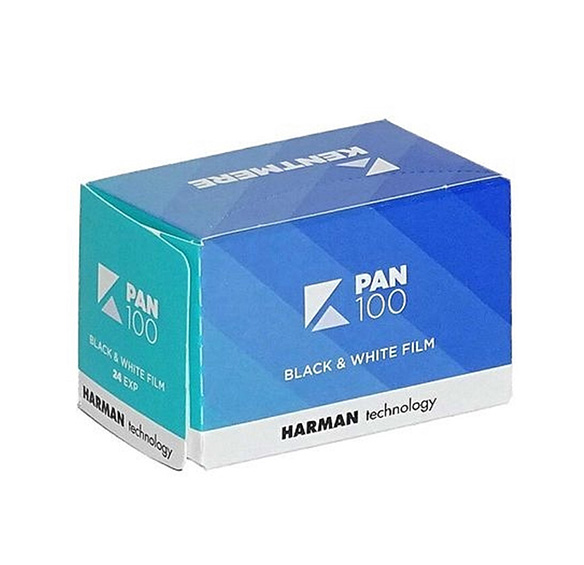
Kentmere 100
Made by Ilford, at an affordable price. Reliable, clean tones — a great entry into the world of classic British films.
… / 24 framesView →


-
Harman Photo Phoenix 200
A bold, creative color film with vivid, contrasty colors. If you don't mind the wilder character, it's an exciting entry point.
… / rollView → -
Harman Photo Phoenix 200 II
The improved version of Phoenix: refined grain, more predictable colors, but still with its unique character.
… / 24 framesView → -
Kodak Gold 200
The classic beginner color film: warm, nostalgic tones, very forgiving. In color, this is the foolproof choice.
… / 24 framesView → -
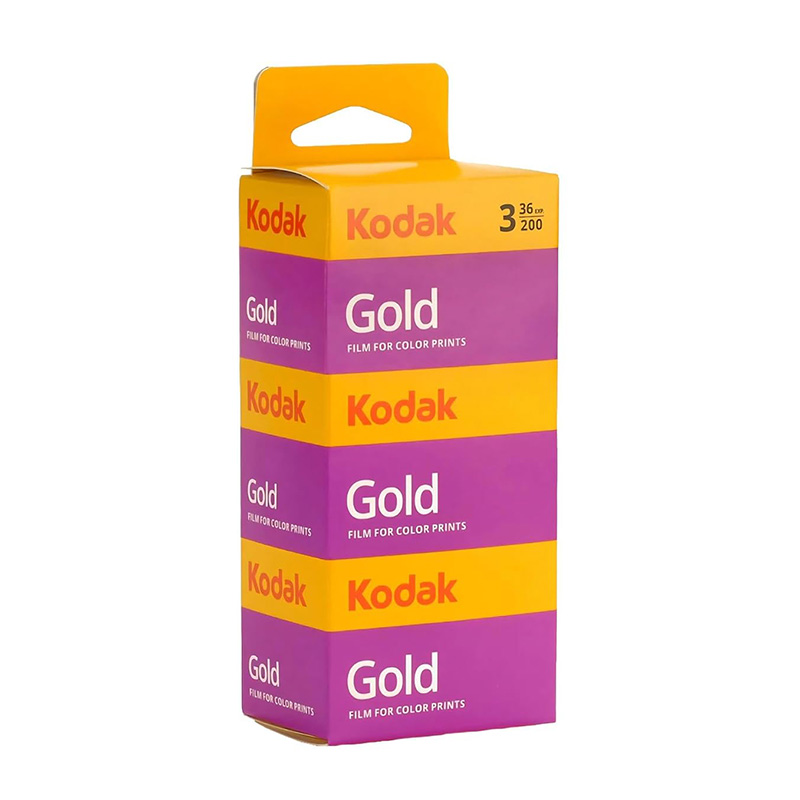
Kodak Gold GB 200 — 3-pack
Three rolls together at a better per-roll price. If you know Gold is for you, this is the best value for practice.
… / 3 rollsView →


What do you need for your first photos? Two things.
Not three, not five. Two. Developing and everything else is a separate, later step — don't worry about it now.
A film camera
No need to buy new — quite the opposite. Used, mechanical 35mm cameras are reliable, cheap, and they're the ones that give you the true analog experience. 35mm is the royal road for beginners: cheap film, 36 frames per roll, plenty of room to practice.
120 (medium format) is beautiful, but it's more expensive and gives you fewer frames — leave it for later. Right now, the goal is to shoot as many frames as possible for as little money as possible.
We check our cameras before selling — not some uncertain second-hand piece. If you don't know which one suits you, write to us and we'll help you choose.
Browse cameras →
One cheap roll of film (or rather, two or three)
This is what you're really here for. Film is the equivalent of the „digital sensor" — except it's a consumable. As a beginner, don't buy the most expensive one: you'll learn to shoot just as well with a cheap, forgiving black & white roll as with a professional film, at a fraction of the price.
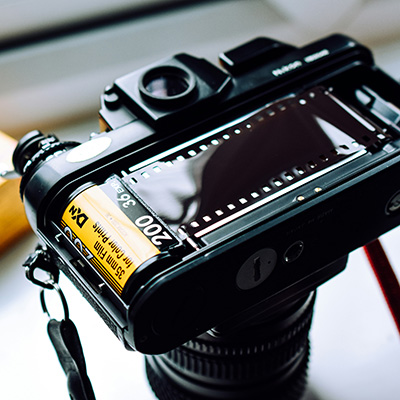
Load a roll, expose it through, and you're done — then comes developing, which you can either handle yourself at home with our beginner kit, or drop off at a local lab. No roll is ever wasted: every frame is learning.
Above we've gathered the best value-for-money beginner films. Don't skimp on quantity here — practice makes the photographer.
Back to the film picks →
Beginner-friendly film cameras
You don't need an expensive professional camera. These models are reliable, easy to use, and made for beginners. Browse through our tested pieces — if you have any questions, we'll help you choose.
-
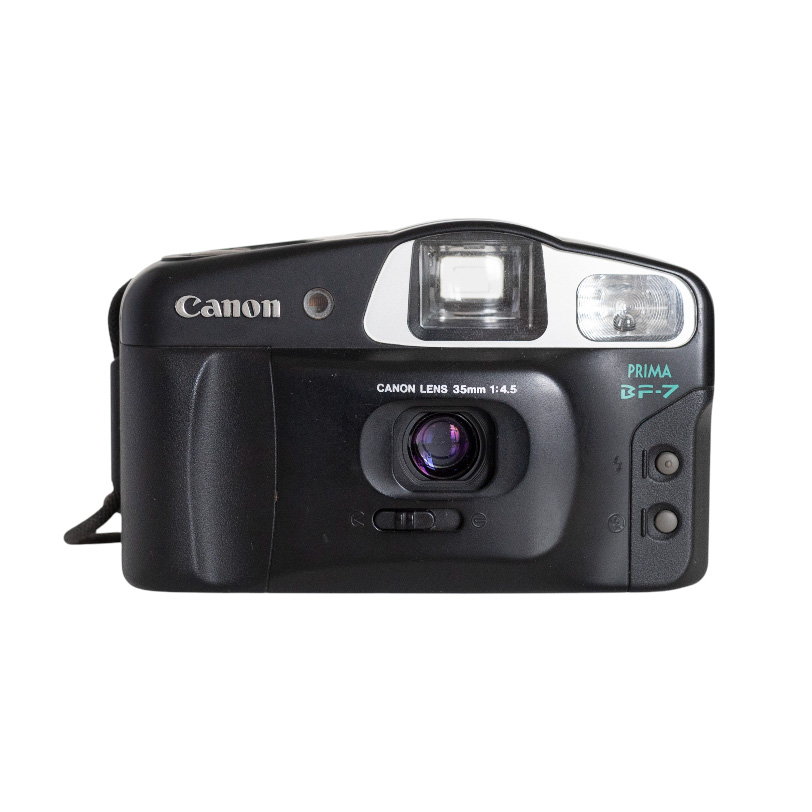
Canon-Prima BF-7
The simplest entry point: load the film, look through it, click. No settings, no mistakes — you just focus on shooting.
Browse cameras → -
Konica MT-9
The simplest entry point: load the film, look through it, click. No settings, no mistakes — you just focus on shooting.
Browse cameras → -
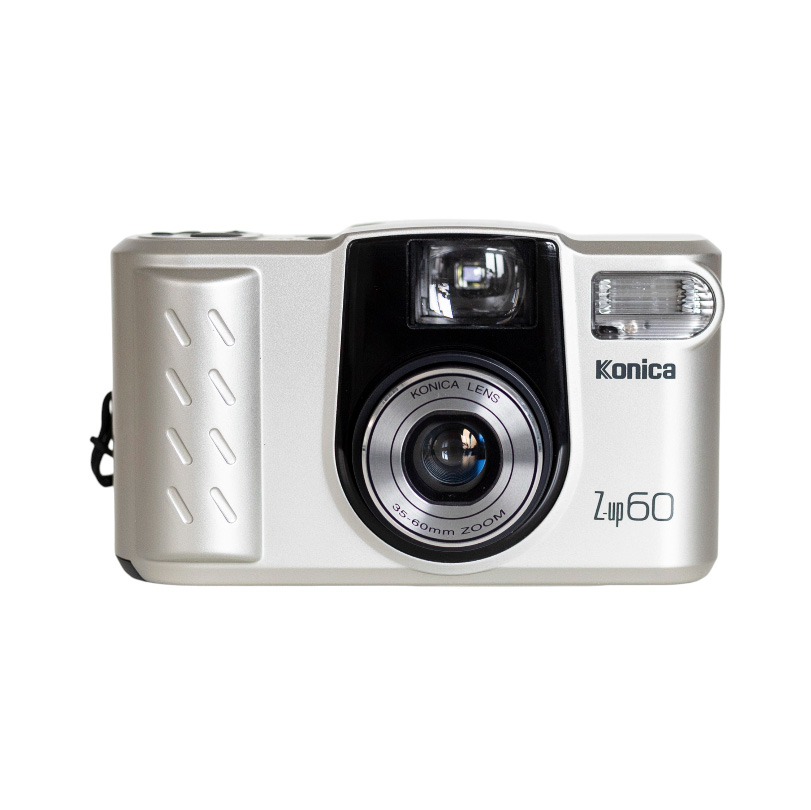
Konica Z-up 60
Small, quiet, discreet — a favorite for street photography. The zoom lens makes composition easier.
Browse cameras → -
Chinon DX
The cheapest path into film photography: minimal setup, maximum experience. Perfect if you just want to try what it's like to shoot film.
Browse cameras →



Developing — two paths ahead
Drop it off at a lab. The simplest way: take the exposed film to a developing lab, and a few days later you get finished images. In our area we can recommend Lab4Art — reliable and fast.
Or develop it yourself. Surprisingly easy, and a much bigger experience: our complete beginner developing kit includes everything — tank, chemicals, detailed guide. No darkroom required, just a dark moment to load the film.
Whichever path you choose, there's nothing to be afraid of with the first one. If you have a question, write to us — we'll help you find your way.
View the developing kit →Learn it properly — from a fine art photographer
Trial and error is expensive and slow: ruined rolls, hesitation. Gergely Csigó's video course walks you through everything step by step, from loading the film to developing — instead of weeks, you'll be confident in one afternoon. For most beginners, this is the best investment at the start.
View the course → Video course · Gergely Csigó
Deepen your knowledge
Four articles to help you understand analog photography better — worth reading before you dive in.


Frequently asked questions
You can start with a used camera and 2–3 cheap rolls of film — each roll is around 5–7 euros. Developing is either done by a local lab (e.g. Lab4Art) for a few euros, or you do it yourself with our beginner kit.
You have two options: drop it off at a developing lab (in our area we recommend Lab4Art), or develop it yourself at home with our complete beginner kit. At the start the lab is easier, but doing it yourself is a bigger experience and cheaper in the long run.
A cheap, forgiving black & white roll — we've gathered the best beginner options above. Don't buy the most expensive: as a beginner you learn just as well with a cheap film, at a fraction of the price.
Because as a beginner, your first rolls are about learning — there will often be ruined frames. With a €6 roll that doesn't hurt; with a €15 one, it's annoying. Professional films come later, when you know what you're doing.
A tested, mechanical 35mm camera. We check these before selling. If you're unsure about the choice, write to us — we'll help recommend one that suits you and your start.
Of course. Write to info@filmisnotdead.hu or call us — we'll help you put together the ideal beginner package, so you don't buy anything unnecessary.
Ready?
Then all you need is one film.
Don't overthink it. One camera, one or two cheap rolls, and you go out shooting. The rest can wait — we'll be with you the whole way.